Cherry Blossoms in Busan: A Local Spring Walk You Can Actually Follow

If you think cherry blossoms are best in Seoul,
Busan will completely change your mind.

In Busan, cherry blossoms don’t just bloom — they meet the ocean.
The best part is, you don’t really have to “plan” to see them here.

You just run into them.

This isn’t just a list of places; it’s how you actually experience spring in Busan like a local.

Phase 1: The Tunnel of Flowers (Gwangalli)
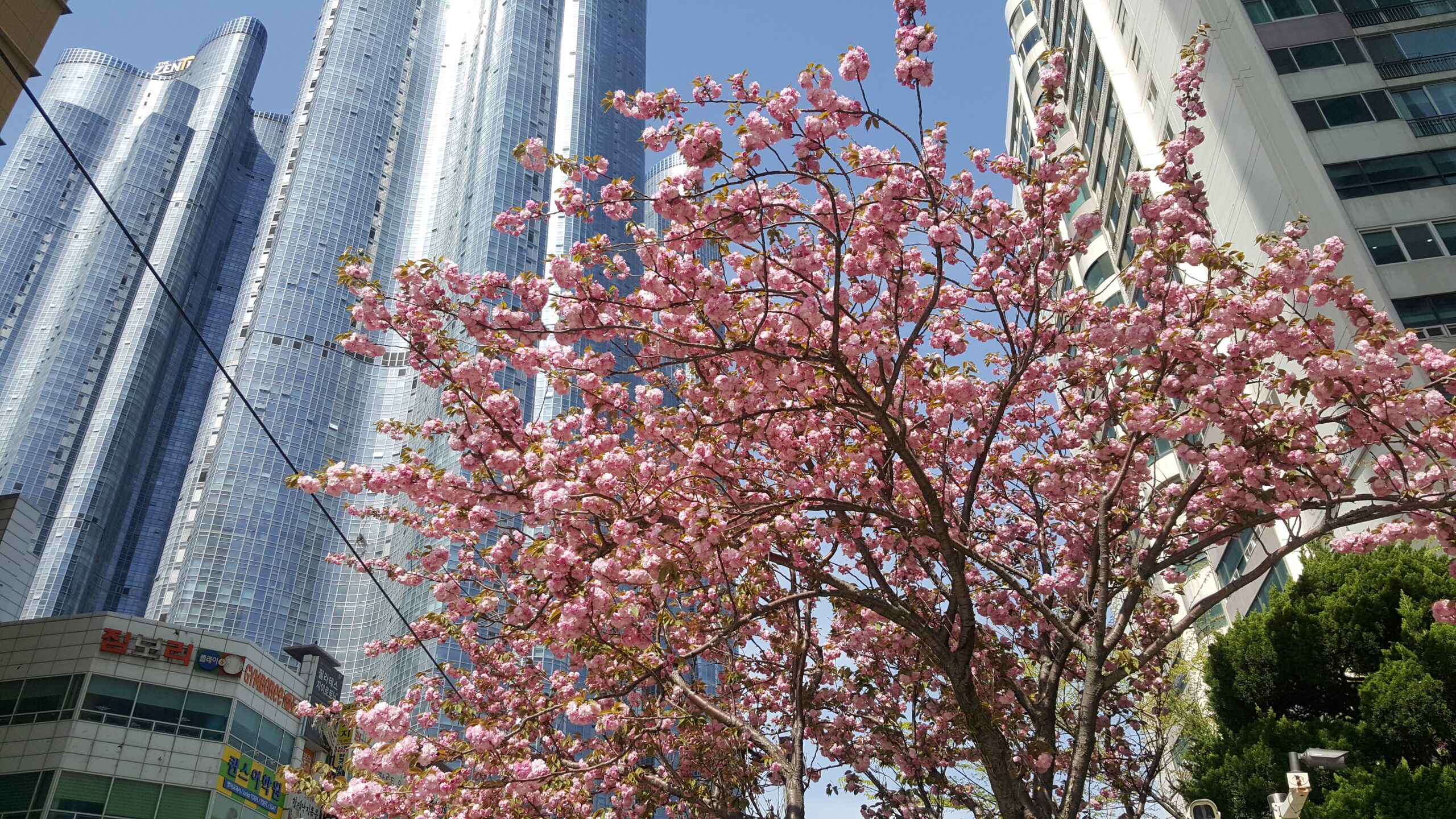
Namcheon Samick Beach (Town)

Most people arrive at Gwangalli Beach, take a few photos of the bridge, grab a coffee, and leave.

But if you walk just a little further toward Namcheon-dong (Samick Beach Town),
the atmosphere changes completely.

This is where locals go.

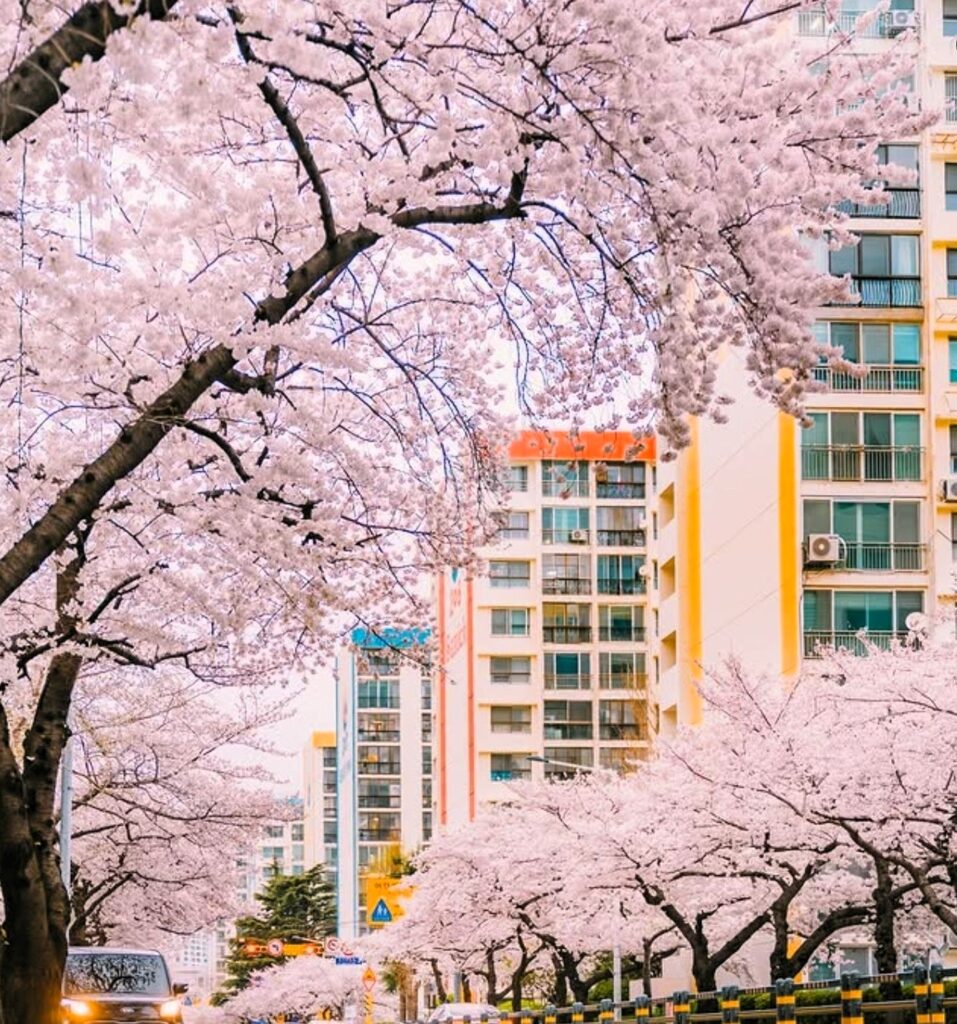
The streets are lined with older, taller cherry blossom trees that form a full, pink tunnel overhead.

This is one of the best cherry blossom spots in Busan that most tourists miss.

Walk slowly here. Don’t rush.

Afterward, grab a drink from a convenience store and head back to the beach.
Sit down. Do nothing for a bit.

This is something very Korean — enjoying the moment as it is.

Phase 2: Where the Ocean Meets the Petals (Dalmaji-gil)
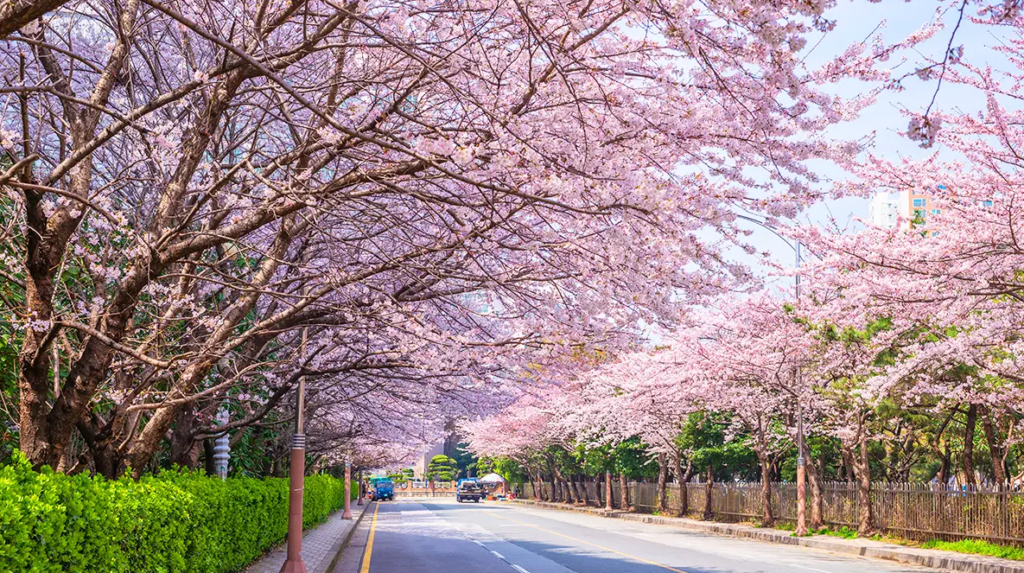
해운대 달맞이길 / 사진=게티이미지뱅크

Next, head toward Haeundae’s Dalmaji-gil Hill.

On one side, there’s the deep blue ocean;
on the other, soft pink blossoms.
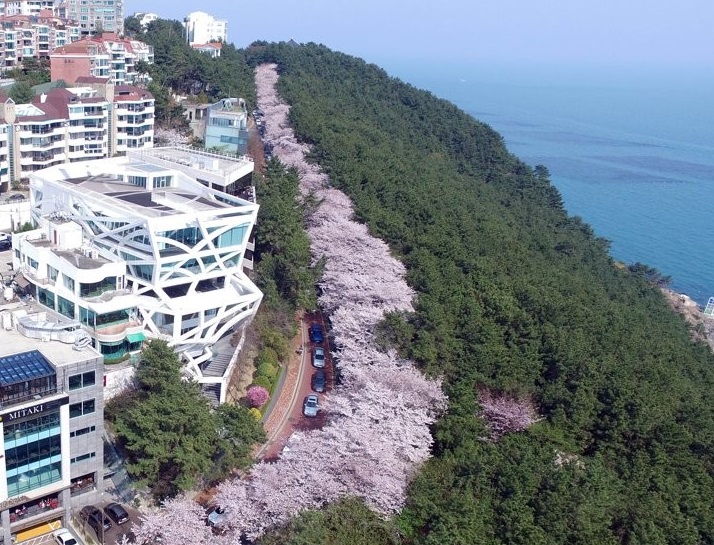
You’re walking right between them.

People walk slower here.
Conversations get quieter.
Everything softens a little.

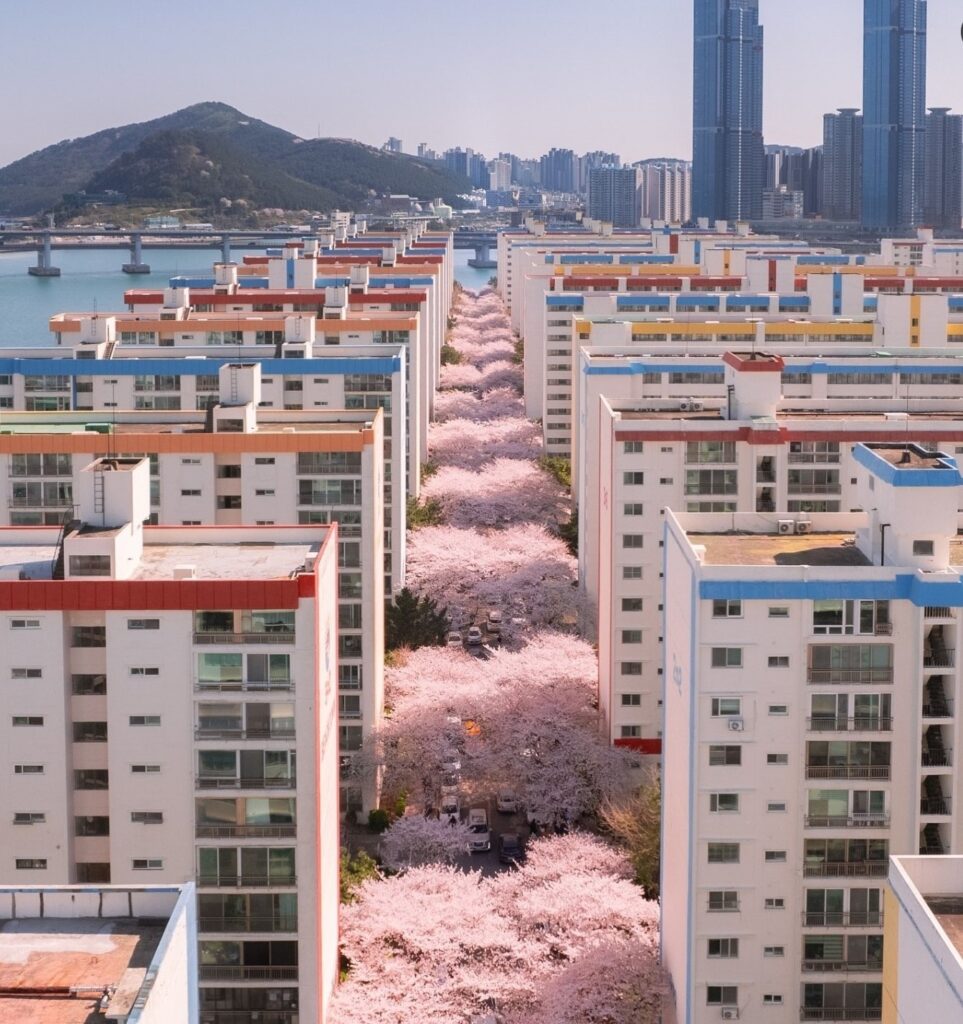
Phase 3: The Cinematic Night (Daewoo Marina)
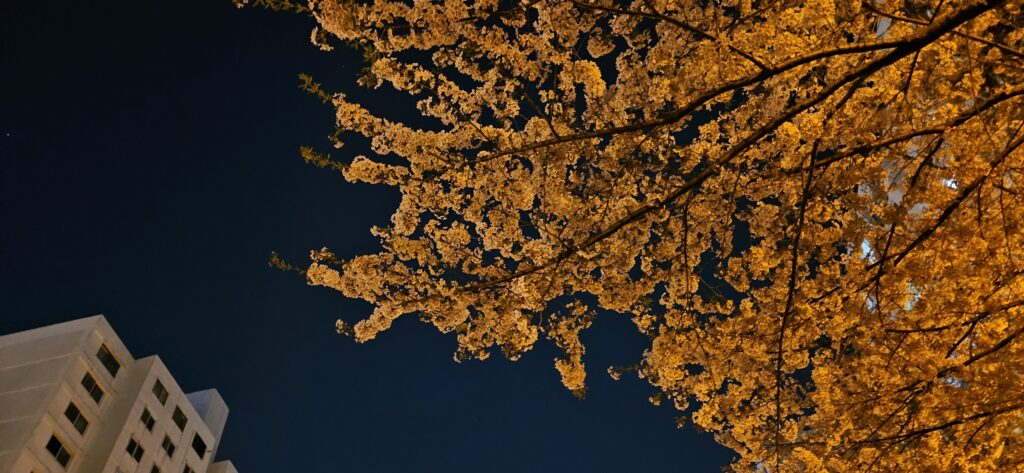
Save this for the evening.

Near Dongbaek Station, across from the modern Marine City skyline,
lies an older apartment complex called Daewoo Marina.

It’s not a famous tourist spot — and that’s exactly why it works.

During the day, it’s beautiful.
But at night, it’s magic.

The warm orange streetlights hit the blossoms in a way that feels like a vintage movie scene.

This is the moment to put on one song — perhaps
“Cherry Blossom Ending” by Busker Busker.

Later, when you hear that song again,
this exact night will come back to you.

Quick Guide: How to Get There

To navigate like a pro, download Naver Maps or KakaoMap.
(Google Maps isn’t very accurate for walking directions in Korea.)

SpotNearest Subway / StationDirections
Samick BeachGeumryeonsan Station (Line 2)Exit 5. Walk 10 mins toward the south end of the beach
Dalmaji-gilJung-dong Station (Line 2)Exit 7. Walk 15 mins uphill or take a short taxi
Daewoo MarinaDongbaek Station (Line 2)Exit 2. Right in front of the exit

If You Have One More Day

If you find yourself wanting just a little more after Busan,
there are a few places nearby that are worth considering.

진해 is often called Korea’s cherry blossom capital, especially during the Gunhangje Festival,
where the entire city turns into a sea of pink.

경주 offers a completely different mood —
a historic city where cherry blossoms blend quietly with ancient sites and slower walks.

And if you prefer something even more local and less crowded,
하동 is known for its peaceful riverside blossom roads.

These places deserve their own trip,
but even one extra day can completely change your spring experience in Korea.

Local Insider Tips for Your Walk

Cherry Blossom Rain (Beot-kkot Ending)
If you arrive a bit late, don’t worry.
When the petals fall like snow, locals call it “Beot-kkot Ending.”
Some say it’s even more beautiful than full bloom.

Convenience Store Picnic
Grab a drink or snack from GS25 or CU.
Simple, but it makes the moment feel more local.

Golden Hour Timing
Arrive about 30 minutes before sunset.
You’ll see the blossoms shift from soft daylight to a cinematic orange glow.

Your Spring Soundtrack (K-Pop Classics)

Cherry Blossom Ending – Busker Busker (https://youtu.be/tXV7dfvSefo?si=Y4gQQcTeCAKkCazB)
Not Spring, Love, or Cherry Blossoms – IU (https://youtu.be/ouR4nn1G9r4?si=5RRwE_vrYS7xKtrC)
Bom (Spring) – Bolbbalgan4 (https://youtu.be/AsXxuIdpkWM?si=wmXHz-FiN5MH6vNy)

Final Thoughts

Cherry blossoms in Busan aren’t something you chase.
They’re something you run into.

And maybe that’s why they stay with you longer.

If you’re visiting Busan in spring,
don’t just look for cherry blossoms — walk into them.
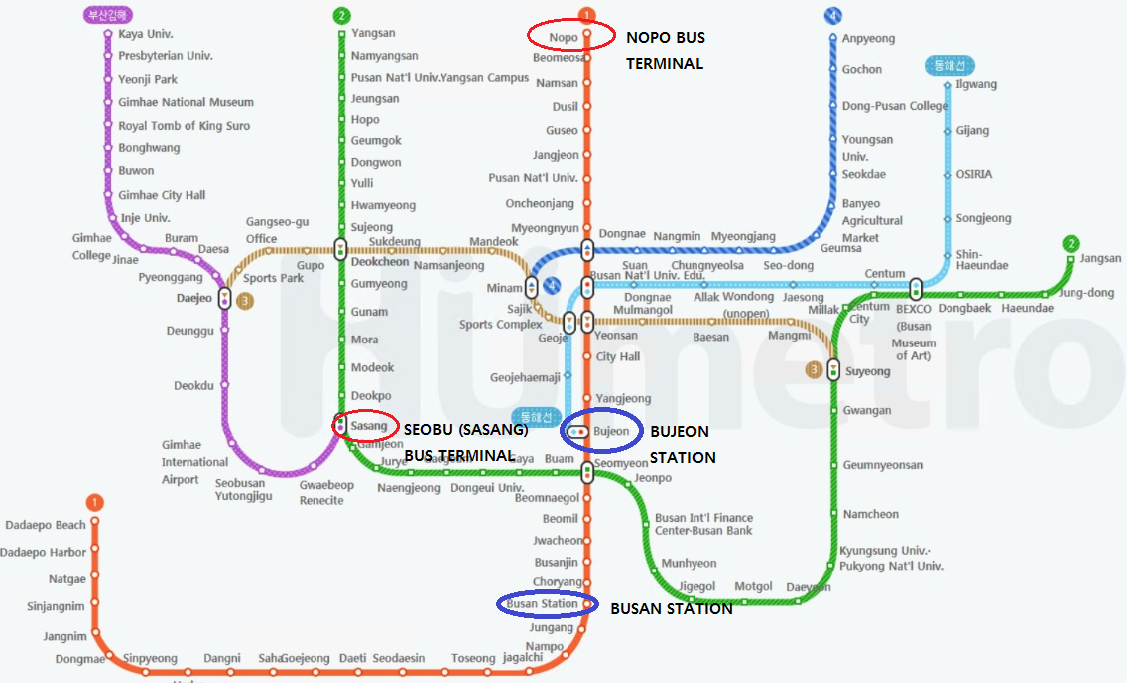
Busan Travel Guide: Bus & Train System for Visiting Small Cities

When traveling from Busan to nearby small cities,
the most important thing is simple:

How you move.

Korea has an excellent transportation system,
but for first-time travelers, it can feel confusing.

This guide focuses on what actually matters in real travel situations.


1. Understanding Transportation in Korea

Subway & City Bus

ItemDetails
How to useBuy a T-MONEY card at a convenience store
UsageTap at subway gates / tap when getting on and off buses
DifficultyEasy

This part is straightforward for most travelers.


Intercity Transportation

TypeDescription
Express BusDirect city-to-city travel
Intercity BusMultiple stops, wider coverage
TrainFast but requires route understanding

This is where most travelers start to get confused.


2. Express Bus vs Intercity Bus

TypeExpress BusIntercity Bus
StopsAlmost noneMultiple stops
SpeedFasterSlower
PriceHigherLower
Best forLarge citiesSmall cities
SituationRecommendation
Traveling to major citiesExpress Bus (GOSOG BUS)
Traveling to small townsIntercity Bus (SIOE BUS)

3. Bus Terminals in Busan (Most Important Part)

The most common mistake travelers make is
choosing a terminal just because it says “Busan”.

Important Rule

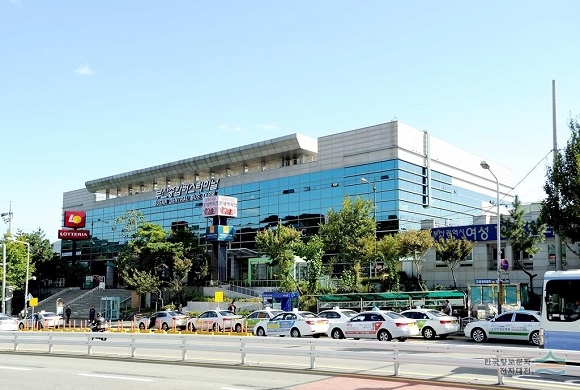
All express buses in Busan depart from Nopo Terminal.


Nopo Terminal (Busan Central Bus Terminal)

ItemDetails
LocationNorthern Busan (Subway Line 1)
FunctionExpress + Intercity buses
DirectionNorth

Nopo Terminal has BOTH express and intercity buses.

TypeAvailable
Express BusYes
Intercity BusYes

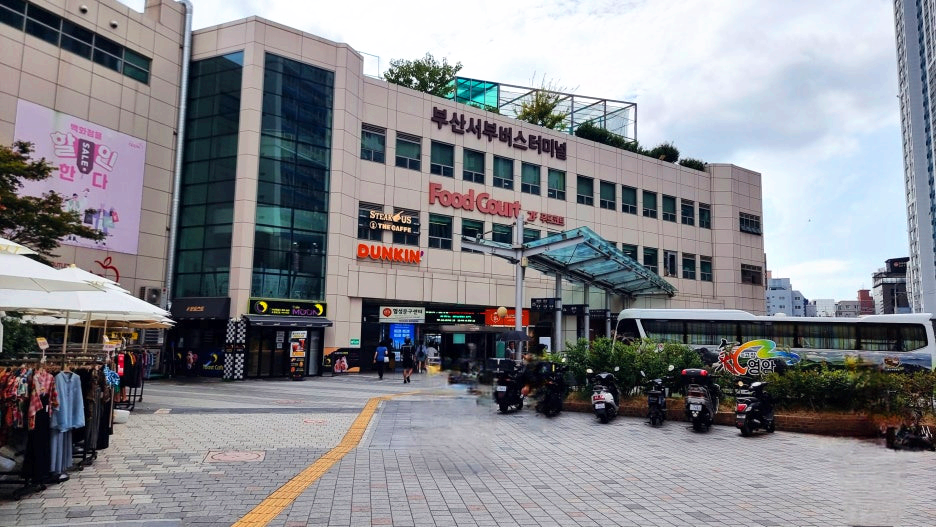
Sasang Terminal (West Busan Terminal)

ItemDetails
LocationWestern Busan (Subway Line 2)
FunctionIntercity buses only
DirectionWest
Popular destinations
Jinju
Tongyeong
Geoje
Suncheon / Yeosu / Gwangju

Locals usually say “Sasang Terminal” instead of “West Bus Terminal”.


Direction Guide

DirectionTerminal
North from BusanNopo
West from BusanSasang

4. Booking & Ticketing

Official Websites

TypeLink
Intercity Bushttps://www.bustago.or.kr/newweb/en/index.do
Express Bushttps://www.tmoneygo.co.kr
Trainhttps://www.letskorail.com

Recommended Method

MethodDescription
Online bookingGood for reserved seats
On-site purchaseEasier and more reliable

Best option for travelers:
Check schedule online → buy at terminal.


On-site Process

StepAction
1Arrive 20–30 minutes early
2Use ticket counter or kiosk
3Choose destination and time
4Pay and board

Payment

TypeAvailability
International cardsAccepted (Visa, Master)
CashCounter only
NoteSome machines may reject foreign cards

It is safer to carry both card and cash.


5. Train Guide (Station Selection)

Choosing the right station is key.

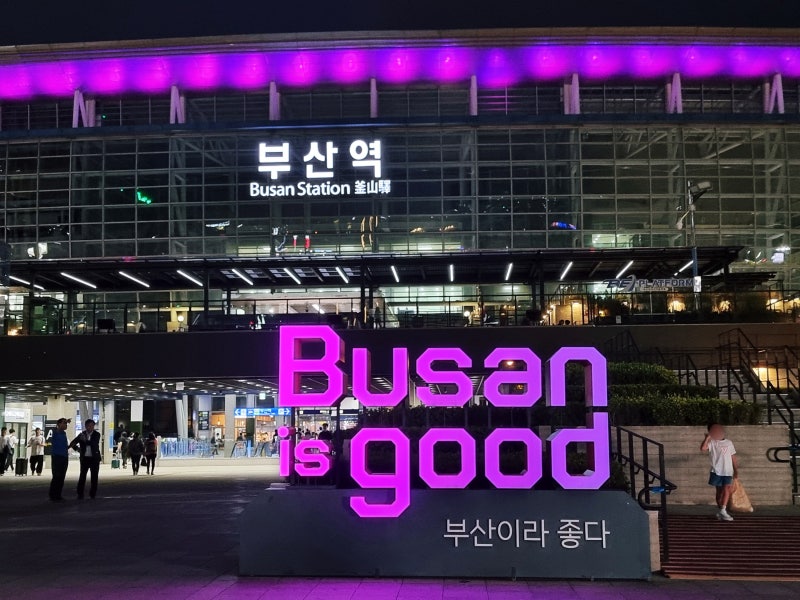
Main Stations

StationDescriptionBest Use
Busan StationKTX high-speed trainsSeoul, Daegu
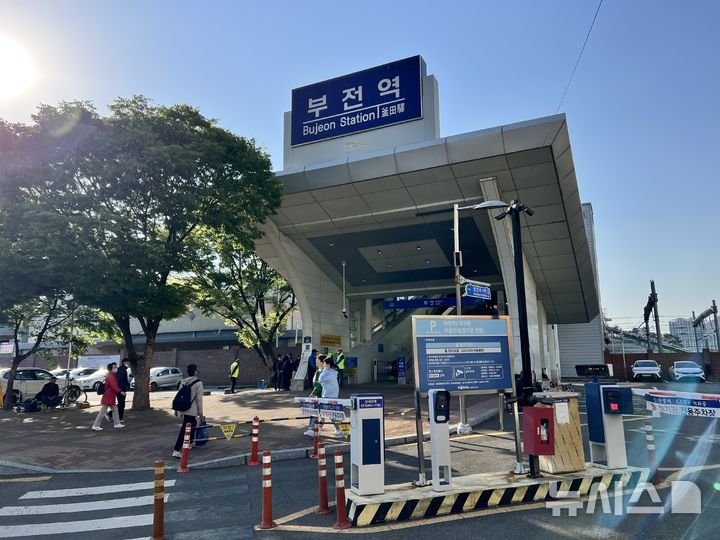
Bujeon StationLocal / coastal linesUlsan, Gyeongju

For most travelers, these two stations are enough.


About Train Types

Korea has multiple train types such as KTX, ITX, and Mugunghwa.

This can be confusing at first,
so it will be explained in the next article.


6. Summary

CategoryKey Point
Express BusOnly from Nopo
Nopo TerminalExpress + Intercity
Sasang TerminalIntercity only
DirectionNorth → Nopo / West → Sasang
TrainFast → Busan Station / Local → Bujeon

Final Thoughts

Korea’s transportation system looks complicated,
but it becomes simple once you understand the structure.

If you remember just three things:

  • Terminal selection
  • Bus type
  • Train station

you can travel anywhere from Busan without difficulty.


Next article:
How to choose between KTX, ITX, and Mugunghwa trains.

30 Minutes from Busan: A Hidden Kingdom with an Indian Queen

Skip the beach. Discover Korea’s forgotten iron kingdom just 30 minutes from Busan.

When friends visit me in Busan, they usually just want to see Haeundae or Gamcheon. Don’t get me wrong—those places are great.

But if you’re like me and prefer finding the “soul” of a place, far from the crowds and selfie sticks, you should head 30 minutes west.

Looking for a unique day trip from Busan? Gimhae is one of the most underrated historical destinations in South Korea.

Welcome to Gimhae—the forgotten capital of the Gaya Kingdom.

It’s a place where ancient tombs sit quietly in the middle of a modern city, and a 2,000-year-old story connects Korea all the way to India.

Who This Is For (The Dtourist)

I created the term “Dtourist” for travelers who:

Get bored with crowded tourist spots

Love a good mystery (an Indian princess in Korea?)

Prefer slow walks over rushed bus tours

Want to experience the real Korea beyond guidebooks

Part 1. A Kingdom Born from the Sky

Most history books focus on Silla or Baekje. But Gaya (42 AD – 562 AD) was different.

It wasn’t just another kingdom—it was an iron powerhouse that traded with Japan and beyond.

The King from the Sky

Legend has it that six golden eggs descended onto Gujibong Hill.

The first boy to hatch became King Suro, the founder of Gaya.

It sounds like a myth, but when you stand on that hill, it feels strangely real.

The Princess from India

Then the story takes an unexpected turn.

A ship with red sails arrived from Ayodhya, India.

Onboard was Princess Heo Hwang-ok, guided by a divine dream to marry the King.

This is widely considered Korea’s first recorded international marriage.

The India Connection (The Proof)

If you’re skeptical, look for the evidence yourself:

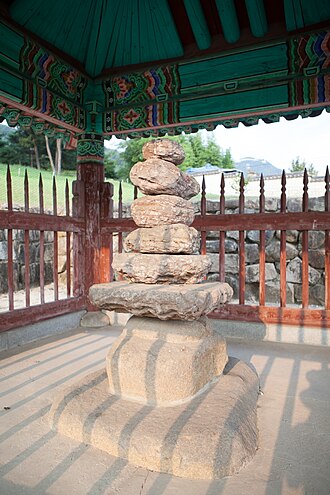
The Pasa Pagoda(파사석탑): stones brought from India to calm the sea

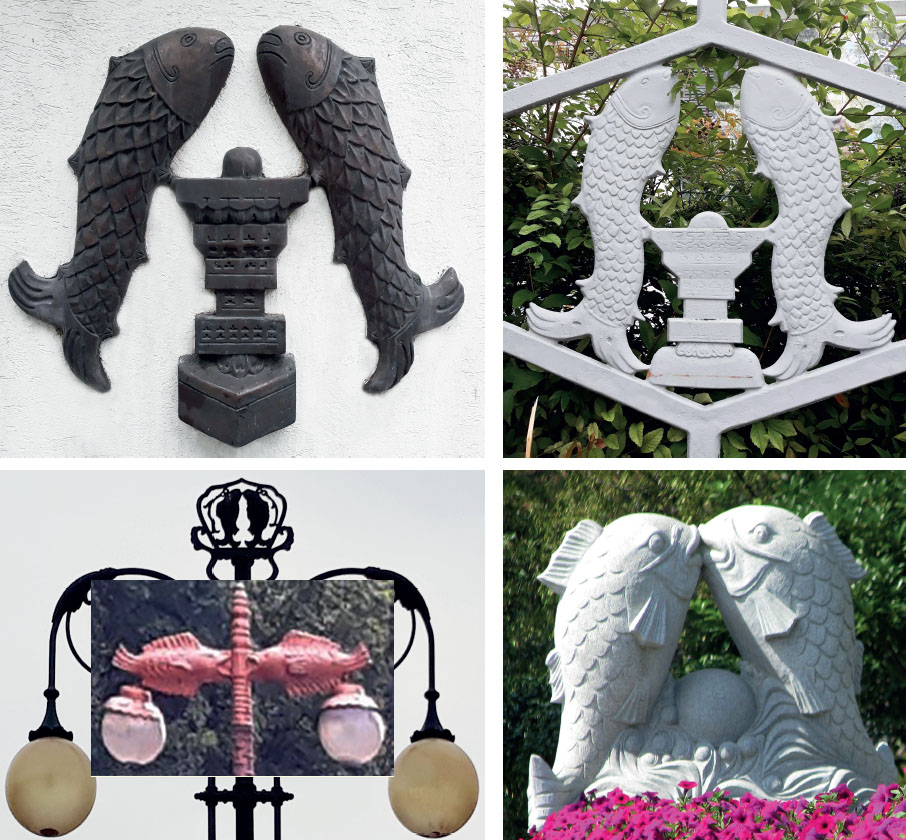
The Twin Fish Symbol(쌍어): carved into the royal tomb gate

This symbol is rare in Korea but common in ancient India.

It’s one of the oldest cultural links between the two countries.


This design, featuring two fish facing each other, represents the legend of Queen Heo.
The Pasa Pagoda

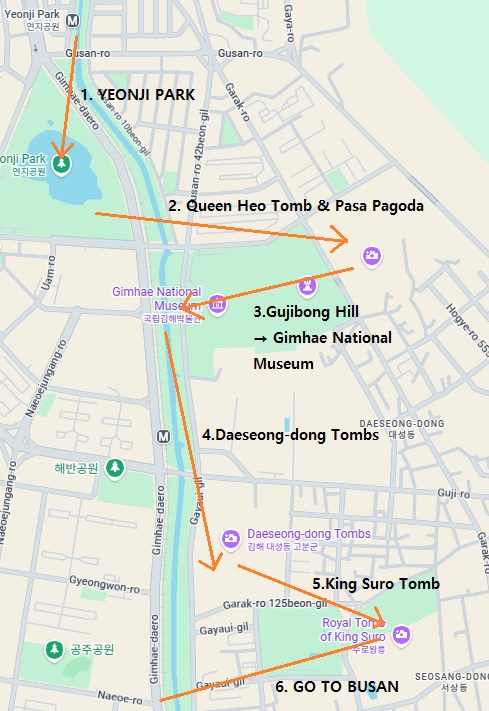
Part 2. The Perfect Walking Route (No Car Needed)

One of the best things about Gimhae is how walkable it is.

You don’t need a car. Just comfortable shoes.

Distance: about 3.5 km
Time: 3–4 hours
Vibe: calm, green, and uncrowded

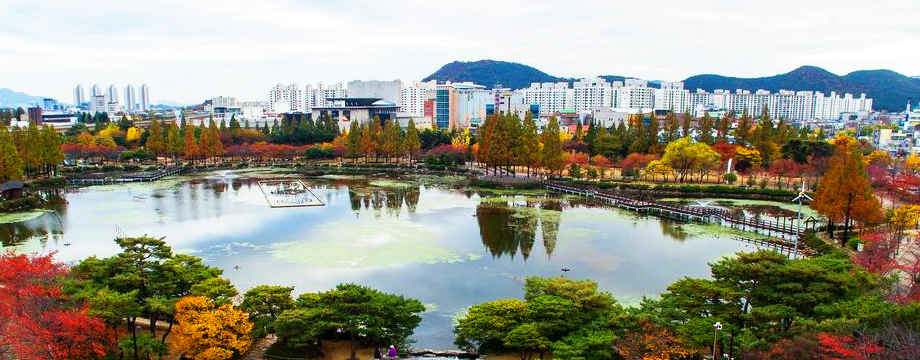
10:30 → Yeonji Park
11:30 → Queen Heo Tomb & Pasa Pagoda
12:30 → Gujibong Hill
13:00 → Gimhae National Museum (closed on Mondays)
14:30 → Daeseong-dong Tombs
16:00 → King Suro Tomb
17:00 → Coffee at Bongridan-gil

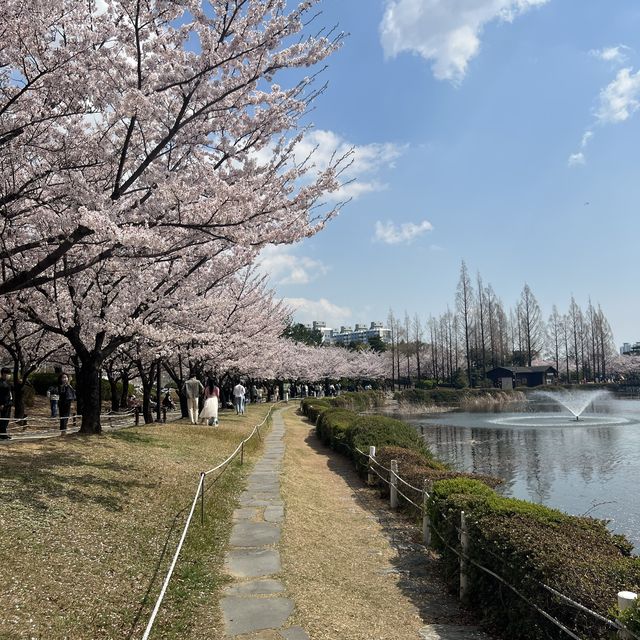
Yeonji Park

I like to start here with a hot latte.

It’s a quiet lake where locals walk, rest, and enjoy their day.

A perfect reset before exploring the city.

Tomb of Queen Heo & Pasa Pagoda

Dtourist Mission #1
Find the small red stone pagoda. (파사석탑)

Look closely—the texture is porous and unlike typical Korean stone.

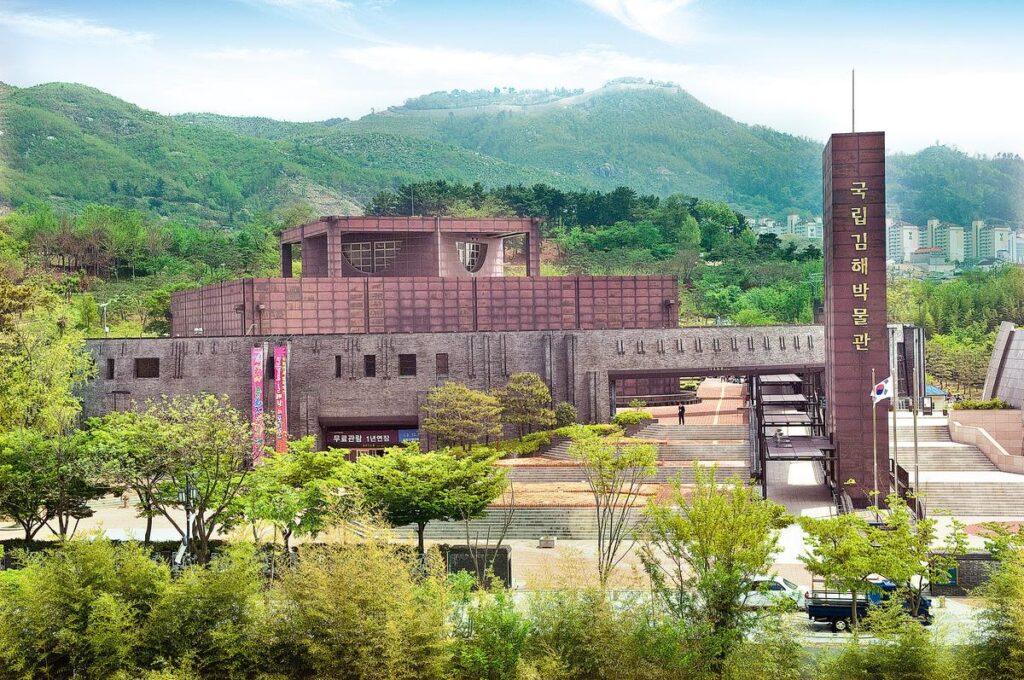
Gujibong Hill & National Museum

Stand where the golden eggs were said to land.

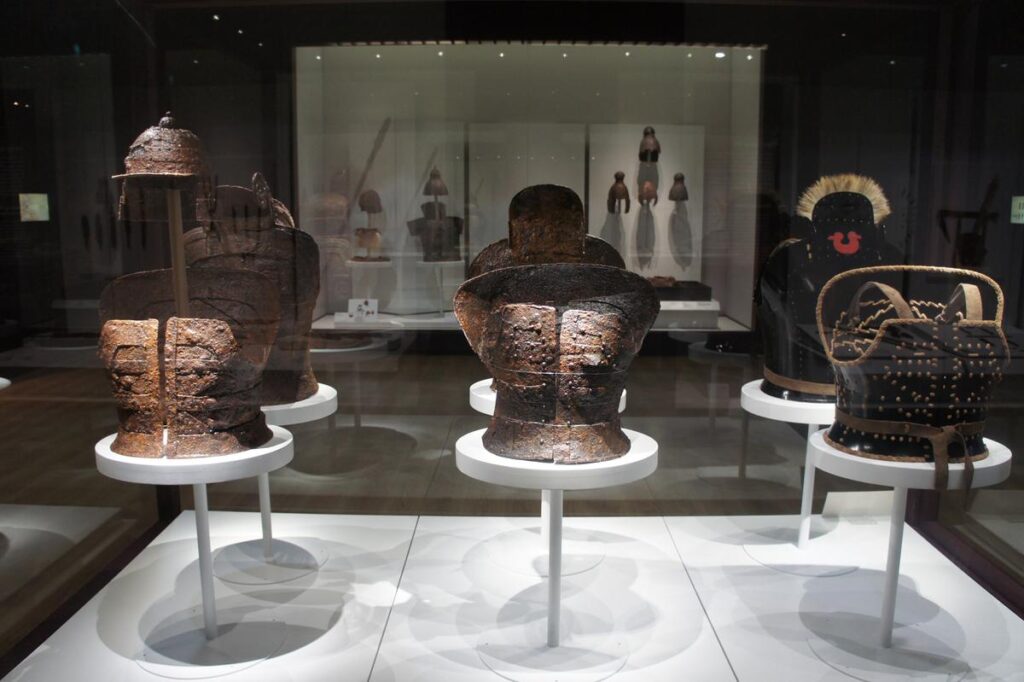
Then head to the museum to see Gaya’s iron armor.

It’s a reminder of how advanced this kingdom really was.

Admission is free.

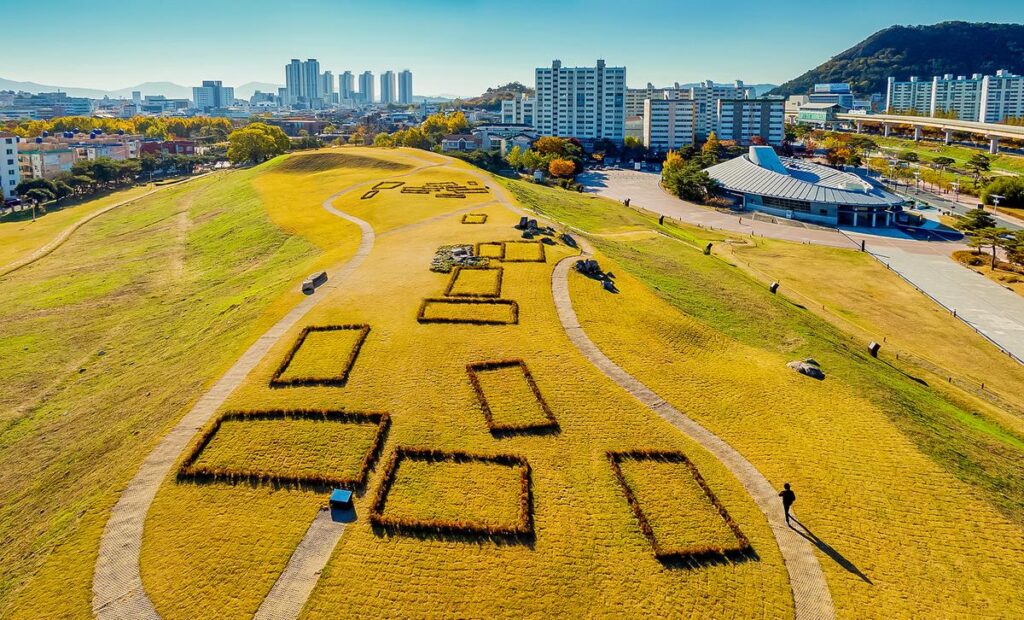
Daeseong-dong Tombs

These massive green mounds feel less like a historical site and more like a landscape from a dream.

Dtourist Mission #2
Visit during sunset.

Climb to the top and look over the city.

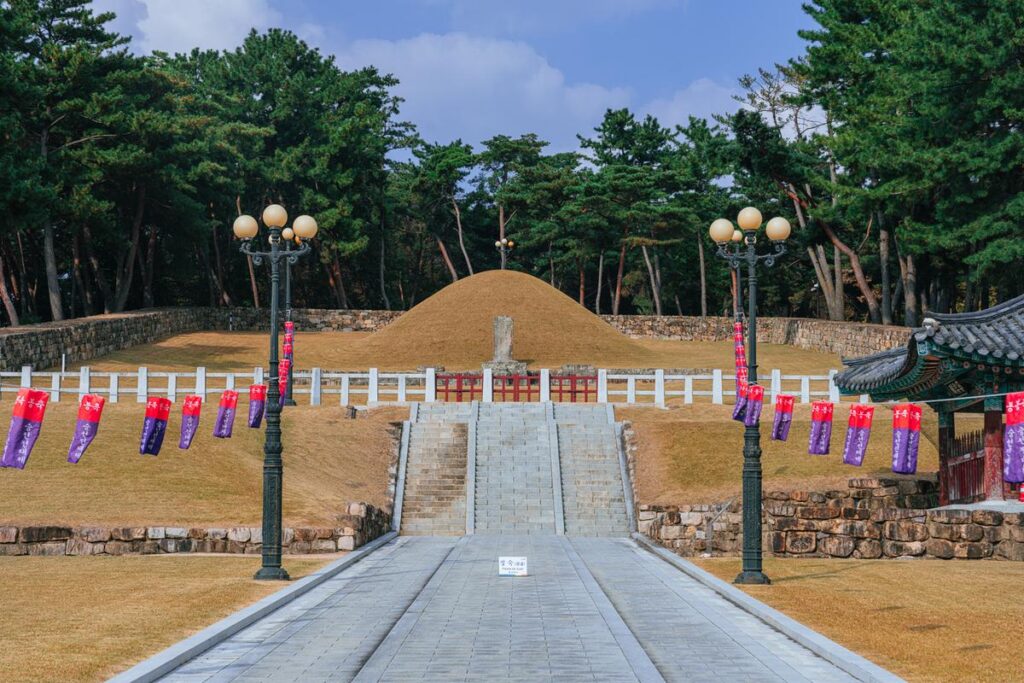
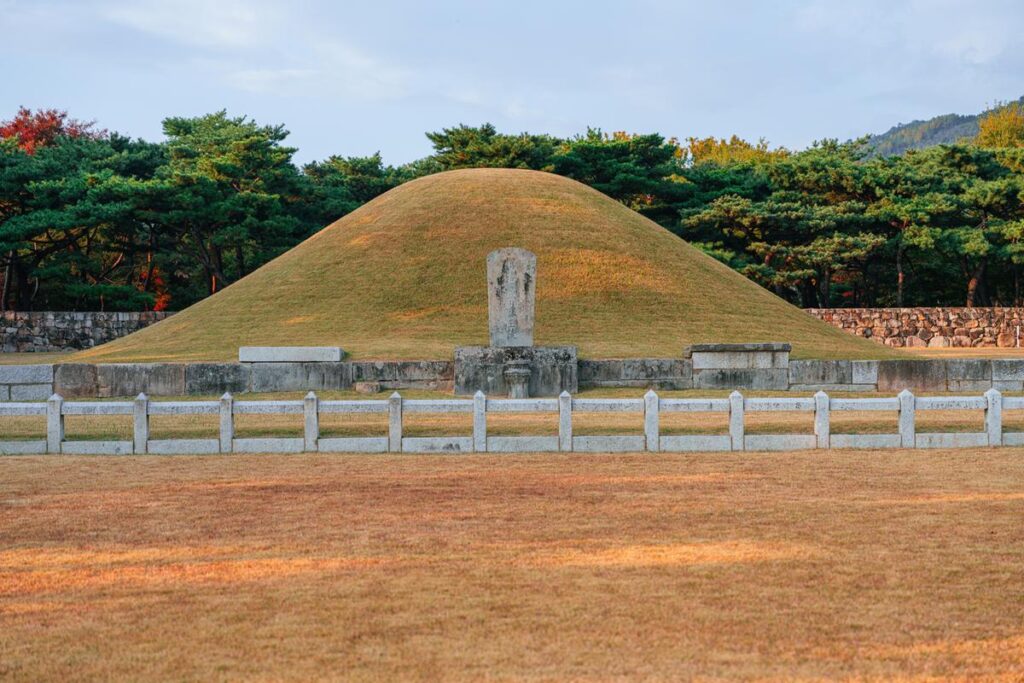
Tomb of King Suro & Sureungwon

This is the final stop.

Dtourist Mission #3
Look up at the entrance gate.

Can you find two fish facing each other?

That’s your final clue linking Korea to India.

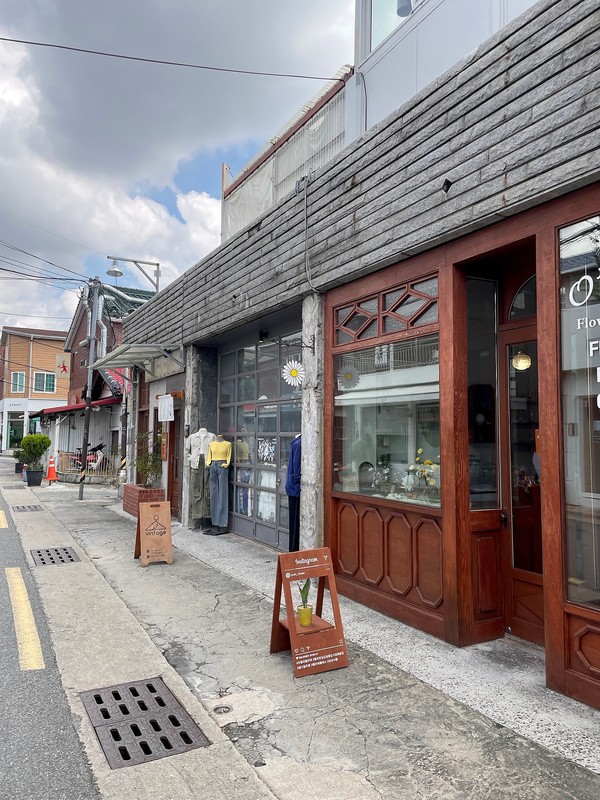
Bongridan-gil: Old Meets New

Right across from the tomb area.

Once a forgotten neighborhood, now transformed by young locals into a creative space.

Look for small cafes hidden in narrow alleys.

That’s where you’ll find the best coffee.

Travel Essentials
How to Get There

Busan Metro Line 2 → Sasang Station
Transfer to Busan-Gimhae Light Rail
Get off at Yeonji Park Station

Tip: Sit on the right side of the train for a view of the Nakdong River.

Budget

Transport: about 2,000 KRW
Attractions: free
Food: 10,000–15,000 KRW

Final Thought

Busan gives you the ocean.

Gimhae gives you a story.

A story of a king from the sky,
a queen from across the sea,
and a kingdom that quietly shaped ancient Korea.

If you have even one extra day in Busan, this is where you should go.

Spend a day walking through a forgotten kingdom.

Beyond Busan: A Hidden Temple and the Ultimate Vegan Meal in Cheongdo

When most travelers visit Busan, they think of Haeundae Beach, colorful Gamcheon Culture Village, and bustling seafood markets along the coast. But just one hour outside the city, a completely different world appears.

Welcome to Cheongdo (청도) — a quiet mountain town where time seems to slow down. Historically, Cheongdo was a remote mountain region where news from the outside world arrived very late. Even today, the area remains peaceful and untouched compared to the busy city.

For travelers who enjoy discovering hidden places instead of crowded tourist attractions, this is the perfect destination. I call travelers like this “Dtourists” — people who travel beyond the guidebooks. Here, you’ll discover ancient temples, breathtaking mountain landscapes, and one of the most authentic vegan meals you can experience in Korea.

Part 1. A Spiritual Journey into the Mountains

The Pine Tree That Bows — Unmunsa Temple


Your journey begins at Unmunsa Temple (운문사). This temple is one of the four major Buddhist training temples for nuns in South Korea, making it an important spiritual center in Korean Buddhism.

It is quite rare and hard to come by a video of Buddhist nuns performing their dawn chanting

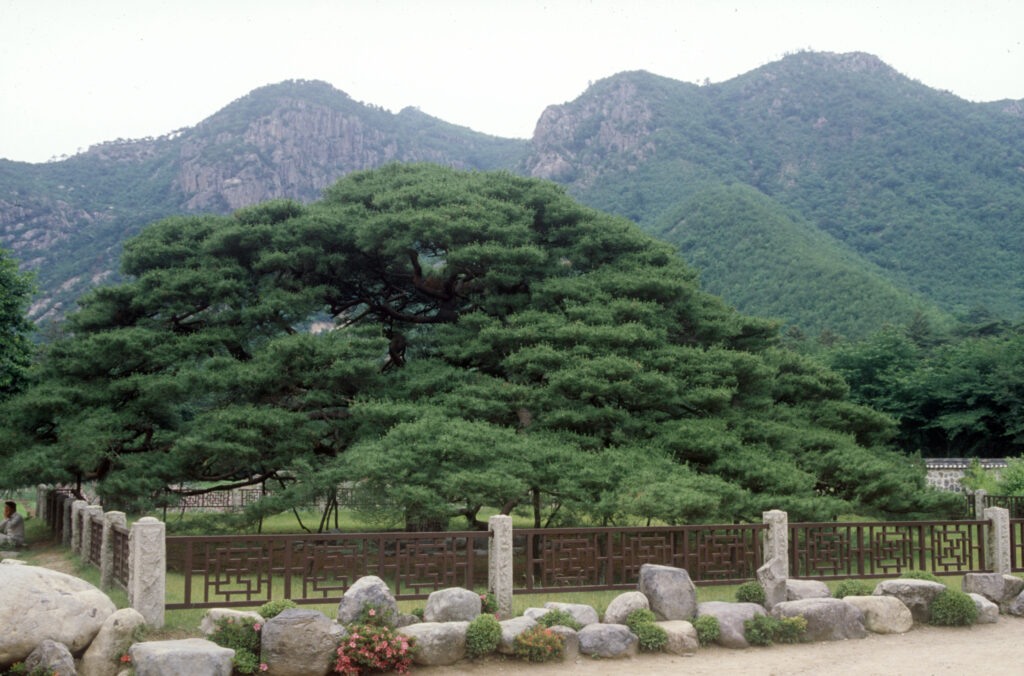
As you enter the temple grounds, you will immediately notice a remarkable 500-year-old pine tree, known as the Weeping Pine. Unlike most trees that grow upward toward the sky, this pine tree’s branches bend gently downward toward the ground. In Buddhist philosophy, this symbolizes Hasim (하심) — the practice of lowering one’s ego and living with humility.

<사진명>, 한국민족문화대백과사전

Fun Fact: Every spring, the monks pour twelve buckets of Makgeolli (traditional Korean rice wine) around the tree as a traditional offering to keep it healthy!

http://unmunsa.or.kr/?c=79/87&p=9&uid=24787

Stairway to Heaven — Sariam Hermitage

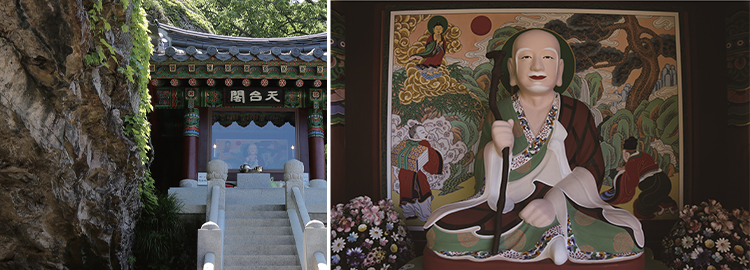
Hidden deeper in the mountains behind Unmunsa lies Sariam (사리암), a small hermitage built dramatically along the side of a steep mountain cliff. To reach it, visitors climb hundreds of stone steps through the forest. The climb can be challenging, but the view from the top is unforgettable. Layers of mountains stretch into the distance, creating a peaceful atmosphere that feels almost timeless.

Many visitors come here to make a wish. At the entrance, you can buy a small offering such as rice or a candle, write your name, and place it as a Siju (시주) offering. According to local belief, Sariam grants one sincere wish to those who pray with a true heart.

The Mysterious Saint & The Magic Rice Rock

사진 : 운문사 홈페이지

But who exactly are people praying to here? Sariam is famous across Korea as the ultimate sanctuary for Naban Jonja (The Lonely Saint).

Unlike typical Buddhas, he is a mysterious, enlightened hermit figure deeply rooted in Korean Buddhism. Locals believe that Naban Jonja responds exceptionally fast to prayers, but there is a strict rule: he will only grant just one truly desperate and pure wish.

There is also a fascinating myth that makes this place even more special. Centuries ago, there was a small hole in a rock cave at Sariam. Miraculously, exactly enough uncooked rice flowed out of this hole every day to feed the monks living there. If one monk lived there, one portion came out; if ten monks visited, ten portions flowed.

One day, a greedy monk decided he wanted to collect more rice to save up. He secretly chiseled the hole to make it bigger. But the moment he did, the rice stopped flowing forever, and only a stream of water came out instead!

This legendary tale is a perfect reminder of the Buddhist teaching to let go of greed—which brings us perfectly to your next experience: the Zero-Waste temple meal.


Part 2. The Ultimate Vegan Meal


Eat Like a Monk at the Temple Dining Hall
Temple cuisine in Korea has recently become a global wellness and vegan food trend. At Sariam, visitors can experience this tradition firsthand. Meals are served in the temple dining hall (Gongyanggan – 공양간), where monks and visitors share the same simple and nourishing food. Even better — the meal is completely free for visitors.

Temple Meal Times:

Breakfast: 5:15 AM

Lunch: 11:00 AM ( Best timing for day-trip travelers!)

Dinner: 4:00 PM

(Schedules may change slightly depending on the temple’s daily routine. If you’re visiting from Busan, arriving before 11:00 AM for lunch is usually the best option.)

Temple Dining Etiquette:

Leave a Small Donation: Although the meal is free, visitors usually leave a small cash donation in the box.

Zero Waste: Take only what you can eat. In temple culture, leaving food behind is considered disrespectful.

Clean Your Own Bowl: After finishing your meal, you must wash your bowl and chopsticks yourself. This simple act is part of the mindfulness practice of temple life.

Part 3. The Dtourist Survival Guide


Many travelers assume visiting Sariam requires complicated transportation. But the good news is that it can easily be done as a one-day trip from Busan. You can travel from Busan → Sariam → back to Busan in the same day without a car.

Option 1: Direct Day-Trip Shuttle (Best Option)


Occasionally, direct shuttle buses operate from Busan to the Unmunsa / Sariam area, especially on weekends or through temple tour programs. These buses allow visitors to travel from Busan to Sariam and return on the same day without transfers. If available, this is the easiest and most comfortable way to visit.

Direct Shuttle Bus Schedule (Busan ↔ Sariam)

DepartureArrivalBoarding LocationTimeOperating Days & Notes
BusanSariamBusanjin Station (Line 1) Exit 8.
Walk 50m towards Beomil-dong.
(Wait next to the ‘Noroo Waterproof Paint’ shop)
10:00 AMDaily
SariamBusanSariam Parking Lot
(Near Unmunsa Checkpoint)
6:00 AMEvery Sunday & 1st day of the lunar month
SariamBusanSariam Parking Lot
(Near Unmunsa Checkpoint)
4:20 PM• Weekends (Sat, Sun)
• 1st, 3rd, 5th week: Tue, Fri
• 2nd, 4th week: Mon, Thu

Essential Info (꼭 알아두세요!)

  • Bus Fare: 10,000 KRW (One-way) / Cash only
  • Bus Driver’s Contact: 010-5161-6236 (We recommend asking your hotel receptionist or a Korean friend to call and confirm the seats in advance!)

Option 2: Alternative Route (Train + Taxi)


If the shuttle is not available, the journey is still simple.

Step 1 — Train: Take a Mugunghwa regional train from Busan Station to Cheongdo Station (청도역). Travel time is about 40–50 minutes.

Step 2 — Taxi: From Cheongdo Station, use the Kakao T app (Korea’s version of Uber) to call a taxi to Unmunsa Temple. Estimated fare is about 30,000 KRW.

Final Step — Climb to Sariam: From the Unmunsa entrance area, visitors travel to the Sariam trailhead. From there, it takes about 30 minutes of stair climbing to reach the hermitage. The climb is steep, but the view at the top makes it completely worth it.

About the Author


Hi! I’m a Busan local, a passionate traveler, and a father of two.
While many tourists only visit Busan’s famous beaches, I created The Dtourlist to introduce the hidden places around Busan and the beautiful small towns nearby.
My goal is simple: To help travelers discover the real Korea that locals know and love.